
MIRRI-ERIC Strengthens Cross-Sector Synergy at FHERITALE Stakeholder Meeting
2026, Jun 2
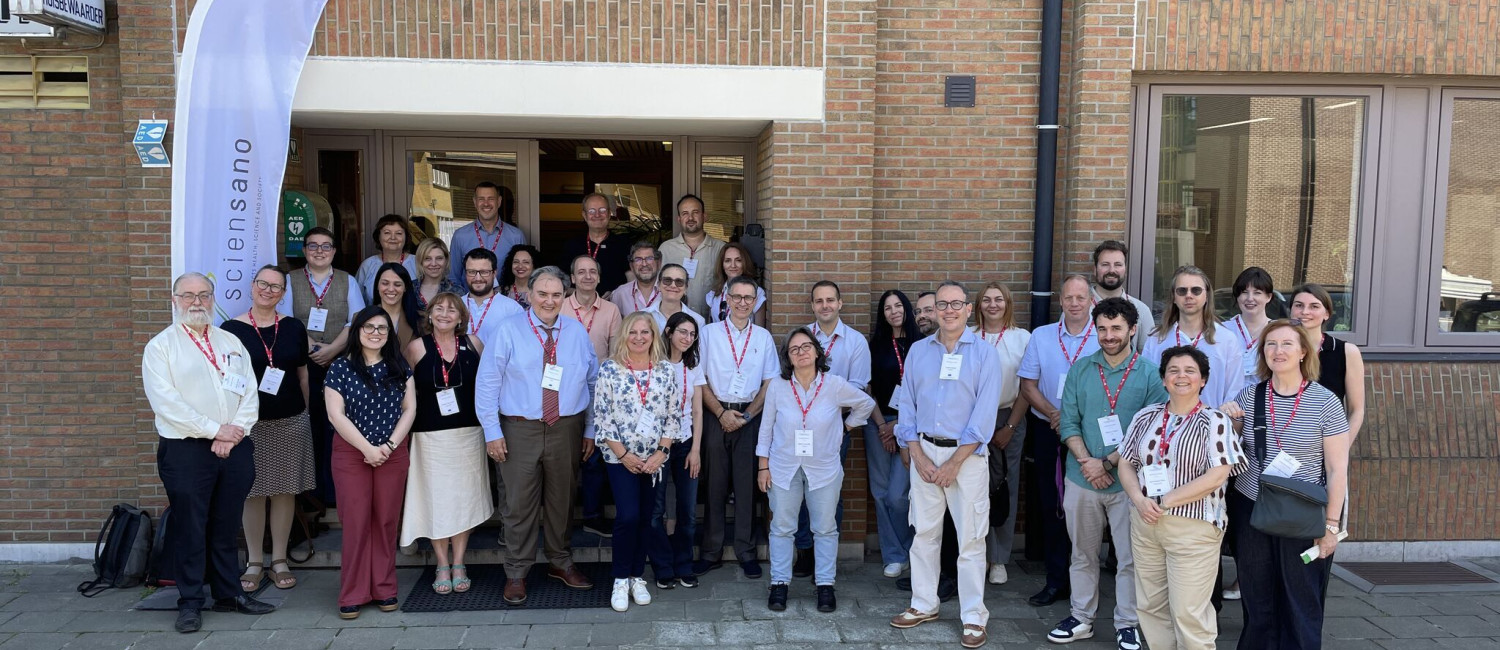
The active participation of Ana Portugal Melo, Executive Director of MIRRI-ERIC, at the high-level FHERITALE Stakeholder Meeting marked a significant step forward in building closer ties between the European microbial resource community and emerging environmental research initiatives.
Held on May 26th at the Sciensano headquarters in Brussels (Belgium), the event focused on strengthening cross-sector synergies among European Research Infrastructures (RIs) to address the multifaceted impacts of micro- and nanoplastics. With this engagement, MIRRI-ERIC maintains a close, strategic relationship with the project, underscoring how microbial resources and specialised biobanks can play a pivotal role in addressing global environmental and health threats.
High-Level Roundtable and Interdisciplinary Dialogue
The meeting opened with a keynote lecture by Tanja Ćirković Veličković, who provided an extensive overview of the "state-of-the-science" in micro- and nanoplastics research. This laid the groundwork for the morning's centrepiece: a highly interactive, high-level roundtable discussion moderated by Claudia Zoani.
Ana Portugal Melo joined the panel alongside prominent experts Marja L., Veronica Lattanzio, and Andrea Valsesia. Leveraging live polling and enthusiastic audience participation, the panel evolved into a dynamic exchange spanning scientific, technological, regulatory, and infrastructural perspectives. The discussion emphasised the critical need for distinct European Research Infrastructures to pool their expertise, harmonise data approaches, and coordinate strategic responses to complex emerging contaminants.
Within the potential of the MIRRI-ERIC microbial community for the micro- and nanoplastics research area, the importance and potential of projects such as Microbes-4-Climate and MALDIBANK were also brought up. Service technologies such as the one being developed under MALDIBANK can be envisaged as a great tool to be incorporated in the circular economy vision of the FHERITALE project.
The collaborative momentum carried into the afternoon with strategic sessions moderated by Michele Suman. Utilising a "challenge-card" format, a second group of roundtable participants, including Johanna Bischof, Jessica Catalano, Katherine Santizo, Dimosthenis Sarigiannis, and Catherine Simoneau, collaborated to address key operational and scientific bottlenecks shaping the future of micro- and nanoplastics research. The day concluded with a guided visit to the Sciensano laboratories, giving attendees a first-hand look at the advanced analytical facilities dedicated to environmental and health-related investigations.
Building Bridges with the FHERITALE Project
The FHERITALE project is a European initiative dedicated to mapping, connecting, and upgrading the landscape of European Research Infrastructures addressing the impacts of micro- and nanoplastics. By fostering strict, cross-sectoral cooperation among existing scientific networks, FHERITALE aims to bridge gaps across environmental and health domains, optimise resource sharing, and generate concrete baselines for European policy priorities.
By actively participating in these strategic forums, MIRRI-ERIC reinforces its commitment to the broader European Research Area (ERA). Engaging with projects like FHERITALE ensures that microbial biodiversity and pan-European infrastructure capabilities remain integrated into major cross-disciplinary solutions for health, sustainability, and the circular bioeconomy.
- Tags:
- Fheritale