
MIRRI-Latvia: from a National Project to International Visibility
2026, Jun 19
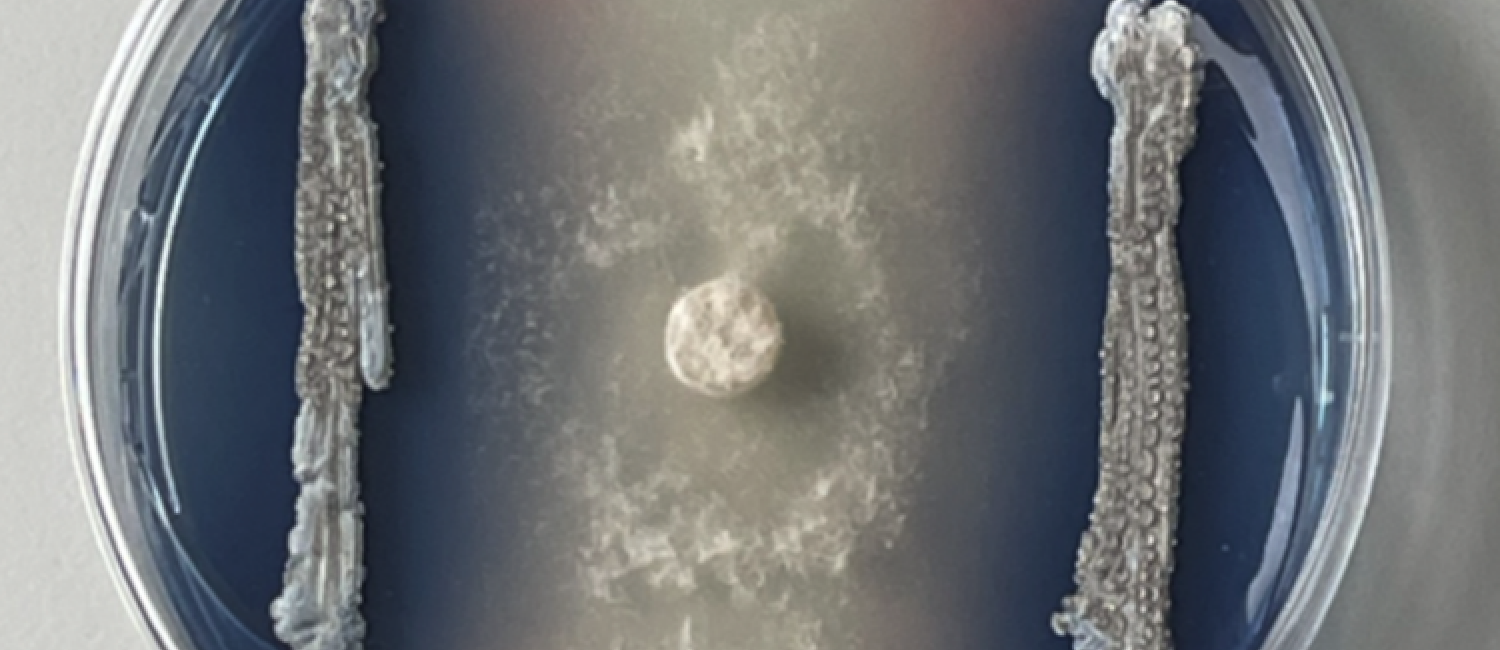
As the Latvian representative of MIRRI-ERIC, the Microbial Strain Collection of Latvia (MSCL-UL) plays an important role in implementing the Latvian project "Genomics and transcriptomics guided trait stacking of antagonistic mechanisms utilized by Streptomyces spp. from underexplored strain collection in SynComs against pathogens causing ash dieback and acute oak decline".
The project aims to develop innovative and environmentally friendly approaches for protecting forest trees from serious diseases such as ash dieback and acute oak decline. To achieve this, researchers are studying naturally occurring soil bacteria belonging to the genus Streptomyces and investigating how different strains can work together to suppress harmful pathogens. By combining advanced genomic technologies with the development of synthetic microbial communities (SynComs), the project seeks to identify beneficial microbial combinations that could support sustainable forest protection in the future.
Through the activities of MIRRI-ERIC, the project contributes to strengthening microbial resource accessibility, interoperability, and international collaboration in the fields of microbial biotechnology and forest health research. One of the central activities within the MIRRI-ERIC framework is the characterisation and valorisation of the underexplored Streptomyces collection maintained by MSCL-UL. The project applies whole-genome sequencing, metatranscriptomics, and genome-scale metabolic modelling to identify antagonistic traits and complementary mechanisms among microbial strains. These activities support the sustainable exploitation of microbial resources and demonstrate the importance of biological resource centres in addressing major environmental challenges.
From Latvia to Europe
A major MIRRI-ERIC-related outcome of the project will be the integration of generated microbial resource data into European research infrastructure platforms. Information on antagonistic Streptomyces strains and their functional properties will be entered into the publicly accessible MIRRI-ERIC microbial strain database, thereby increasing the international visibility and accessibility of Latvian microbial resources for future research and industrial applications.
The project is expected to generate new knowledge on the antagonistic mechanisms employed by Streptomyces against important forest pathogens and to advance methodologies for microbial resource bioprospecting and functional characterisation. Genomic and transcriptomic datasets generated during the study will be deposited in the European Nucleotide Archive (ENA) in compliance with FAIR data principles, ensuring their long-term accessibility and reusability. The research will also support the development of functionally complementary SynComs with potential applications in sustainable forest protection, while strengthening scientific networking, infrastructure collaboration, and capacity building within the MIRRI-ERIC community.
In the long term, the project is expected to contribute to the development of environmentally friendly biocontrol strategies, sustainable forest management, and bioeconomy innovation in Europe. Through participation in MIRRI-ERIC, the project ensures that microbial resources, associated datasets, and scientific knowledge generated during the study become part of a broader European research ecosystem accessible to both academia and industry.
This text had the contribution of Māris Seņkovs (MSCL-UL). The mentioned work was funded by the Latvian Council of Science project "Genomics and transcriptomics guided trait stacking of antagonistic mechanisms utilized by Streptomyces spp. in SynComs against pathogens causing ash dieback and acute oak decline", project No. lzp-2024/1-109.
- Tags:
- Mirri-lv