
Microbes-4-Climate Holds 2nd General Assembly On-Site to Advance Climate Solutions
2026, Mar 5
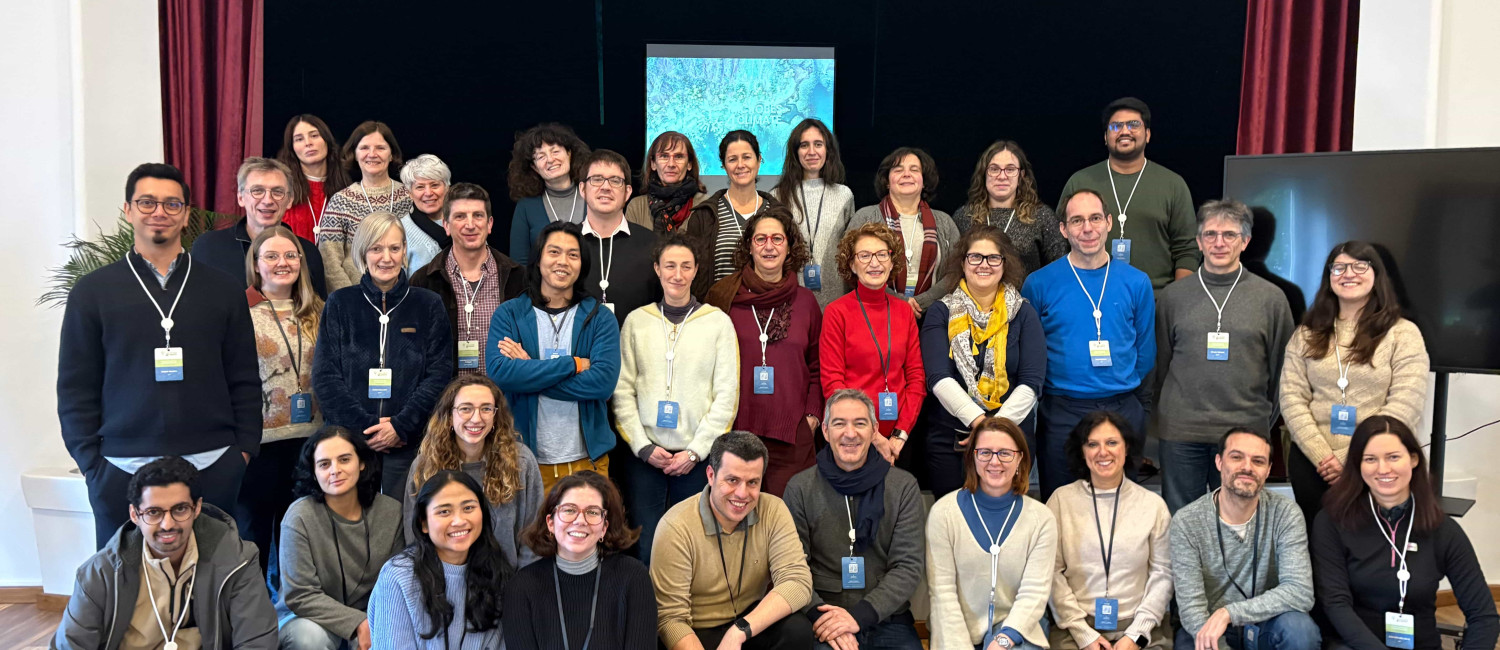
From 3 to 5 February 2026, partners of the Microbes-4-Climate Project gathered in Braga for the project’s second General Assembly. The interactive retreat brought together researchers, infrastructure experts, and consortium partners to review project achievements, coordinate upcoming activities, and reinforce collaboration across the consortium.
The meeting opened with sessions dedicated to project progress and strategic coordination, including discussions on reporting outcomes and feedback from the current reporting period. Participants also took part in a communication workshop and collaborative working sessions across Work Packages 1 to 4, designed to strengthen alignment and support the project’s mission of harnessing microbiomes for climate solutions.
On the second day, the focus shifted to capacity building and methodological alignment across the consortium. Dedicated training sessions enabled partners to deepen technical understanding, equipping consortium members with advanced methodologies and best practices critical to the project's scientific objectives.
Scientific advances and infrastructure perspectives
Throughout the meeting, consortium members shared updates on ongoing research activities. Researchers from AIT - Austrian Institute of Technology, presented progress within WP3, including the design and establishment of synthetic microbial communities (SynComs) aimed at improving drought resilience in wheat, highlighting the potential of microbiome-based strategies to support climate-resilient agriculture.
A keynote presentation by microbiome researcher Tanja Kostic, MICROBE Project Coordinator, addressed the importance of microbiome biobanking and the need for coordinated infrastructures capable of supporting systematic sample collection, long-term preservation, and interoperable data management across Europe.
Strengthening collaboration across microbiome initiatives
The final day featured joint sessions with the MICROBE Project, creating a unique platform for cross-project exchange and strategic discussions on the future of microbiome research infrastructures. Partners shared insights on best practices for cataloguing and connecting microbiome biobanking data products, while also reviewing protocols for sample preservation, maintenance, and sharing, including important ethical, legal, and social considerations (ELSI). The sessions emphasised the need for harmonised standards and interoperable systems to ensure that microbiome resources can be effectively leveraged across Europe.
In addition, participants examined sustainable business models for microbiome biobanking and explored opportunities for short-, medium-, and long-term collaboration between projects and research infrastructures. These dialogues highlighted the significant potential of coordinated European infrastructures to support high-quality research, foster innovation, and accelerate the translation of microbiome knowledge into climate solutions.
Looking ahead
The 2nd General Assembly marked a key milestone for the Microbes-4-Climate consortium. By bringing together scientists, infrastructure providers and project partners, the meeting reinforced a shared commitment to advancing microbiome science and strengthening collaboration across Europe.
The event also underlined the value of in-person meetings for fostering dialogue, sharing expertise, and building stronger links between research teams and infrastructures. Through workshops, presentations and interactive sessions, partners were able to align priorities for the next phase of the project and identify opportunities to further integrate microbiome research with climate-focused innovation and policy objectives.
As the project progresses, MIRRI-ERIC and its partners will continue to develop innovative services, support transnational access to microbiology research infrastructures, and generate knowledge that contributes to climate-resilient ecosystems and sustainable agriculture.