MIRRI-ERIC Italian Node Marks Milestone with Final SUS-MIRRI.IT Project Event
2026, Apr 9
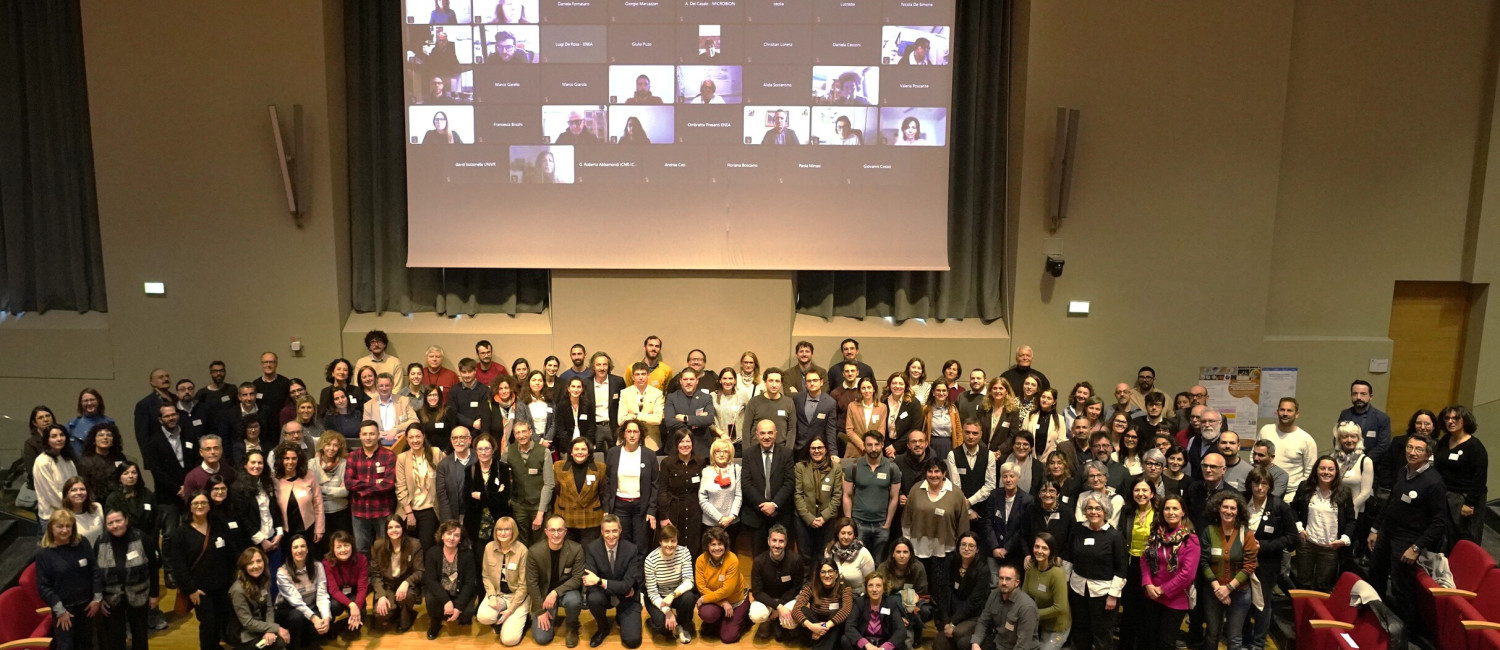
A final event celebrating the closing of the SUS-MIRRI.IT project marked a significant milestone for the development of the Italian Node of MIRRI-ERIC (MIRRI-IT), bringing to a close the initiative that laid the foundations for one of Europe's most comprehensive microbial resource ecosystems.
Held on 19 March 2026 at the University of Turin (Italy), the event showcased the project's major achievements while setting the stage for the future development and long-term sustainability of MIRRI-IT. The meeting brought together institutional representatives and key stakeholders to reflect on results, services, and emerging opportunities for collaboration at both the national and European levels.
Among the most relevant outcomes presented were over 43.000 preserved and characterised microbial strains, more than 150 advanced scientific services, and a national network involving 29 research institutions. These results highlight the scale and impact of the SUS-MIRRI.IT project, developed within the ESFRI "Health and Food" area and funded by the European Commission under NextGenerationEU. The project has played a crucial role in strengthening the Italian microbial resource infrastructure, MIRRI-IT, the national node of MIRRI-ERIC.
MIRRI-ERIC's Executive Director's participation
A key highlight of the event was the participation of Ana Portugal Melo, Executive Director of MIRRI-ERIC, who emphasised the strategic value of MIRRI-IT within the European research infrastructure landscape. She underlined its contribution to quality standards, data management, open science, and international cooperation, reinforcing the role of MIRRI-IT as a mature and essential component of the European infrastructure.
Over the course of the SUS-MIRRI.IT project, the bases for the MIRRI-IT Node were established, being itself the largest national ecosystem of microbial biobanks in Italy. The initiative mapped more than 43.000 microbial strains and developed a catalogue covering bacteria, fungi, yeasts, microalgae, and plant viruses. This infrastructure now enables universities, research centres, and industry to access high-quality biological resources and advanced scientific services supporting biotechnology innovation.
The SUS-MIRRI.IT project also significantly strengthened the national research network. New laboratory capabilities were introduced through the installation of 94 scientific instruments and the development of 56 new microbial analysis services, spanning genomic and phenotypic characterisation, microbiome studies, and bioinformatics. In parallel, the project contributed to human capital development, recruiting over 50 researchers and organising advanced training programmes and access initiatives for national and international users.
Focusing on sustainability
The closing event of the SUS-MIRRI.IT project also featured a roundtable discussion focused on the sustainability of MIRRI-IT beyond the conclusion of PNRR (Piano Nazionale di Ripresa e Resilienza), Italy's National Recovery and Resilience Plan, funding. Representatives from government bodies, research organisations, and innovation networks emphasised the importance of research infrastructures in strengthening collaboration between academia, industry, and public institutions, and in advancing a bioeconomy driven by microbial biodiversity.
As MIRRI-IT transitions into its next phase, the outcomes of SUS-MIRRI.IT confirm its central role within the European research infrastructure ecosystem. By integrating high-quality microbial resources, advanced services, and a strong collaborative network, MIRRI-IT is well-positioned to support scientific excellence, innovation, and sustainable development across Europe.
- Tags:
- Node,
- Event,
- Mirri italy